
How Solar Power Helps South African Homes and Businesses Beat Heavy Energy Consumption
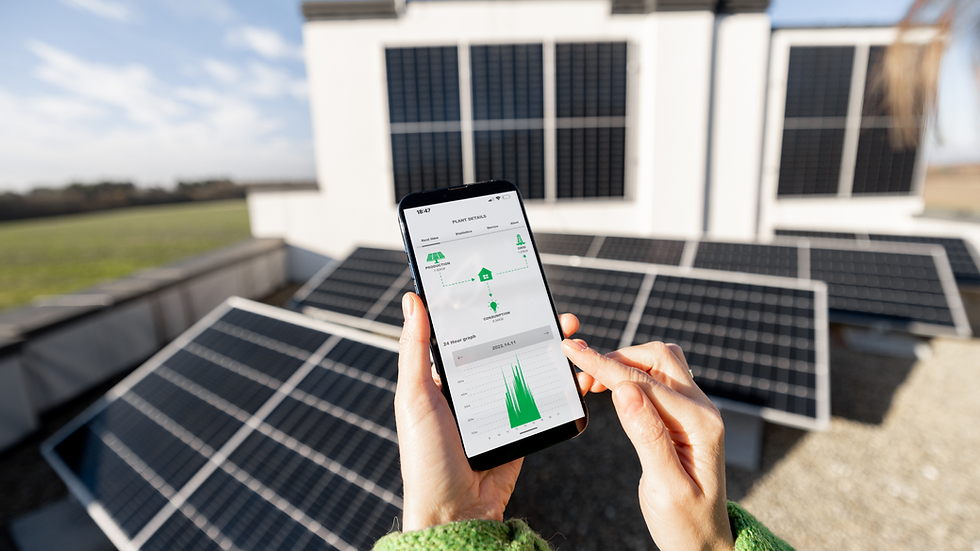
Winter in South Africa brings more than just cold mornings and shorter days. It also brings a noticeable increase in electricity consumption as households and businesses rely on heaters, geysers, electric blankets, heat pumps, and climate control systems to stay comfortable.
For many South Africans, winter is the season when electricity bills reach their highest levels. But while winter energy consumption may be unavoidable, the impact on your wallet doesn't have to be.
This is where solar power becomes one of the smartest investments you can make.
Why Electricity Usage Spikes in Winter
During the colder months, households typically consume significantly more electricity than they do in summer.
Common culprits include:
Electric heaters running for hours at a time
Geysers working harder to heat colder water
Underfloor heating systems
Electric blankets and heated appliances
Increased lighting due to shorter daylight hours
Businesses face similar challenges. Offices, retail stores, warehouses, hospitality venues, and industrial facilities often see increased energy demands as heating systems work overtime.
The result? Higher monthly electricity bills just when many families and businesses are already feeling financial pressure.
The Cost of Doing Nothing
With electricity tariffs continuing to rise across South Africa, every additional kilowatt-hour consumed during winter costs more than it did a few years ago.
For homeowners, that can mean monthly bills increasing by hundreds or even thousands of rand.
For businesses, increased energy consumption can directly impact profitability, operational costs, and cash flow.
Many organisations spend months looking for ways to cut expenses, while overlooking one of their biggest controllable costs: electricity.
How Solar Helps During Winter
One common misconception is that solar only works well in summer. The truth is that solar panels generate electricity from sunlight—not heat.
Even on cold winter days, solar panels can produce substantial amounts of energy as long as sunlight is available. A properly designed solar system can help offset:
Daytime heating costs
Office and commercial electricity demand
Geyser consumption
Equipment and appliance usage
General household energy requirements
This means your home or business draws less power from the grid, resulting in lower electricity bills throughout the winter season.
Pairing Solar with Battery Storage
The real winter advantage comes when solar is combined with battery storage. During the day, excess solar energy can be stored in batteries and used later when demand peaks in the evening.
This is especially valuable during winter when electricity usage typically rises after sunset as families return home and temperatures drop. With a battery system, you can continue using solar-generated energy long after the sun goes down.
Businesses Can Benefit Even More
Commercial properties often consume the most electricity during daylight hours, exactly when solar production is at its highest.
This makes solar particularly attractive for:
Offices
Factories
Shopping centres
Warehouses
Farms
Hospitality businesses
By generating electricity on-site, businesses can significantly reduce operational expenses while protecting themselves against future tariff increases.
Many companies are now viewing solar not just as an environmental investment, but as a strategic financial decision.
Winter Is the Perfect Time to Review Your Energy Usage
The colder months often reveal inefficiencies that go unnoticed during the rest of the year. A winter energy audit can help identify:
High-consumption appliances
Inefficient heating systems
Oversized electricity bills
Opportunities for solar integration
Areas where smart monitoring can improve efficiency
When combined with smart meters and utility monitoring platforms, solar users gain valuable insights into how and when they consume electricity.
Building Energy Independence
Perhaps the biggest advantage of solar is the control it gives you. Global fuel prices, municipal tariff increases, and energy market uncertainty are all factors beyond your control. However, generating your own electricity puts a portion of your energy costs back in your hands.
Whether you're a homeowner looking to reduce winter electricity bills or a business aiming to protect your bottom line, solar offers a practical path toward greater energy independence.
Stay Warm Without the Bill Shock
Winter doesn't have to mean higher electricity costs.
With the right combination of solar panels, inverters, battery storage, and smart energy management, South African homes and businesses can stay comfortable while keeping energy expenses under control.
At UtilityPal, we help customers design solar solutions that work all year round — including during the months when energy consumption is at its highest.
Because the smartest way to beat winter electricity costs isn't to use less power. It's to generate your own.


Comments