
Know Your Solar Powered System: The Essential Guide for South African Homeowners

Solar energy has become one of the smartest investments a South African homeowner or business can make. With rising electricity tariffs, increasing pressure on the national grid, and the desire for energy independence, more people are turning to solar than ever before.
But before investing in a system, it's important to understand the basics. From choosing the right inverter to selecting the correct battery bank, knowing how your solar system works can help you make better decisions and maximise your return on investment.
Understanding the Building Blocks of a Solar System
A typical solar installation consists of four main components:
Solar Panels capture energy from the sun.
Inverters convert the solar energy into usable electricity for your home or business.
Batteries store excess energy for use when the sun isn't shining.
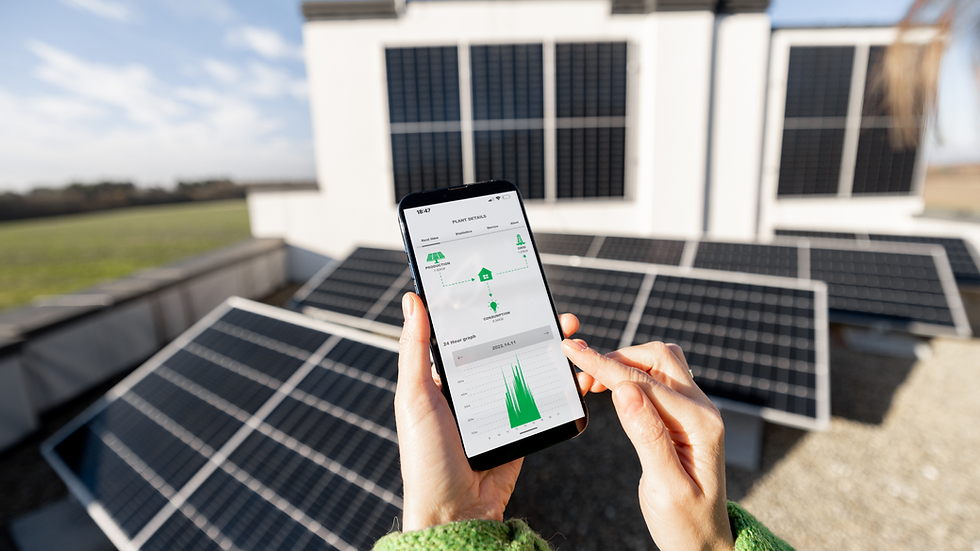
Smart Monitoring Systems track production and consumption, helping you optimise performance and savings.
The size and type of each component depend on your property's energy requirements.
Single-Phase vs Three-Phase Inverters
One of the first decisions you'll encounter is whether you need a single-phase or three-phase inverter.
Single-Phase Inverters
Most South African homes use a single-phase electrical supply. These inverters are ideal for:
Small to medium residential installations
Average household electricity consumption
Solar systems ranging from 3kW to 12kW
Single-phase systems are generally more affordable and simpler to install.
Three-Phase Inverters
Three-phase power is common in larger homes, farms, commercial buildings, and industrial facilities.
A three-phase inverter offers:
Better load balancing
Higher power capacity
Improved efficiency for large electrical loads
Support for heavy-duty equipment and machinery
If your property has three-phase electricity, a three-phase inverter will ensure energy is distributed evenly across all phases.
High Voltage vs Low Voltage Batteries
Battery technology has evolved rapidly over the last few years, and many customers are unsure which option is best.
Low Voltage Batteries
Typically operating between 48V and 51.2V, these batteries are:
More affordable upfront
Common in residential systems
Easy to expand over time
They are an excellent choice for homeowners looking to reduce grid dependence and maintain power during outages.
High Voltage Batteries
High voltage batteries are becoming increasingly popular because they:
Deliver energy more efficiently
Require less current to provide the same power
Reduce energy losses
Work exceptionally well in larger residential and commercial systems
While the initial investment may be higher, high voltage batteries often provide superior performance for larger installations.
How Many Solar Panels Do You Need?
This is one of the most common questions UtilityPal receives.
The answer depends on your energy consumption, inverter size, roof space, and desired level of independence.
As a general guideline:
System Size | Approximate Number of Panels* |
5kW | 8–10 panels |
8kW | 12–16 panels |
10kW | 16–20 panels |
15kW | 24–30 panels |
*Based on modern 550W to 600W solar panels. A household consuming around 800kWh to 1,200kWh per month may find a 5kW to 8kW system sufficient, while larger homes and businesses often require 10kW or more.
Grid-Tied vs Off-Grid Solar Systems
Not all solar systems are designed the same way.
Grid-Tied Systems
A grid-tied system remains connected to the municipal or Eskom grid.
Benefits include:
Lower installation costs
Reduced battery requirements
Access to grid power when needed
Potential future opportunities to feed excess energy back into the grid
This is currently the most common solar setup in South Africa.
Off-Grid Systems
An off-grid system operates completely independently of Eskom and municipal electricity.
Benefits include:
Complete energy independence
No exposure to electricity tariff increases
Ideal for remote locations
However, off-grid systems require larger battery banks and more solar panels to ensure reliable power throughout the year.
Hybrid Systems: The Best of Both Worlds
For many South Africans, a hybrid system offers the ideal solution.
Hybrid systems combine:
Solar generation
Battery storage
Grid connectivity
This allows homeowners to use solar power during the day, store excess energy for evening use, and rely on the grid only when necessary.
Hybrid systems provide greater flexibility, improved energy security, and excellent long-term savings.
Why Monitoring Matters
Many homeowners install solar and then never look at their system again.
This can be a costly mistake.
Smart monitoring platforms help you:
Track solar production
Monitor battery performance
Identify energy-hungry appliances
Detect faults early
Maximise savings
Knowing how your system performs allows you to make informed decisions and get the most value from your investment.
Choosing the Right System for Your Needs
The "best" solar system isn't necessarily the biggest one—it's the one that matches your lifestyle, energy consumption, and future plans.
A family looking to reduce monthly electricity bills may need a very different solution from a business aiming for complete energy independence.
That's why working with experienced solar professionals is so important.
Let UtilityPal Help You Build Smarter
Whether you're considering a small residential installation, a large commercial solar project, battery storage, smart metering, or EV charging, UtilityPal can help design a solution that fits your needs.
Our team can guide you through everything from choosing between single-phase and three-phase systems to selecting the right batteries, inverter, and solar panel configuration.
Because when it comes to solar, the more you know, the more you save.

Comments